
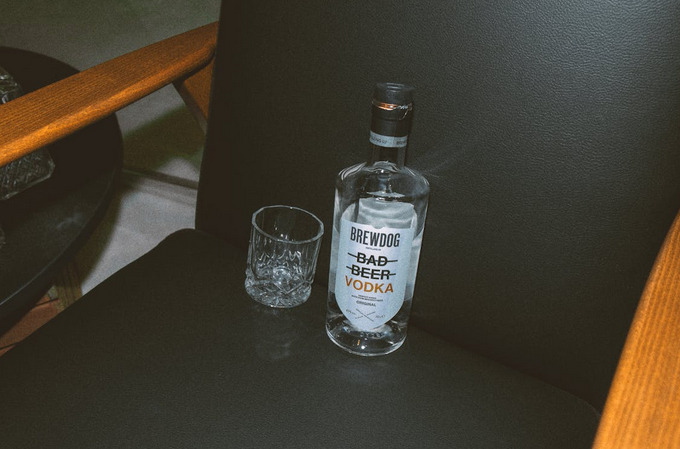
From Neutral to Notable: What Sets Vodka Apart from Other Spirit Categories?
Vodka often gets a bad rap for being the go-to spirit in countless cocktails. Yet, this clear and unassuming drink deserves more than just a passing glance. It’s so much more than the neutral base that mixes well with everything from fruity sodas to aromatic bitters. Vodka has carved out its unique place among spirits, standing apart due to its distinct characteristics.
What makes vodka shine is not just how it blends seamlessly into drinks but also how it embodies purity and versatility. Its minimalist flavour profile allows it to be subtle and bold, depending on how you enjoy it. If you’ve ever wondered why vodka seems different from other liquors like whiskey or rum, you’re in for an intriguing exploration of what sets this spirit apart.
Purity and Versatility
Vodka is often celebrated for its impressive purity. Distilled multiple times, it achieves clarity that many other spirits strive for but rarely attain. This meticulous process strips away impurities, creating a refined product that satisfies even the most discerning palate. Versatility is another hallmark of vodka’s appeal. Its neutral character allows it to blend effortlessly mixers and flavors efforflavours. Whether you prefer a classic martini or an adventurous-infused cocktail, vodka adapts beautifully.
This adaptability extends beyond cocktails. Vodka can be enjoyed neat or on the rocks, showcasing its smoothness without distractions. It has also found its way into culinary applications, elevating dishes with unique flavor profiles while maintaining balance. In essence, vodka serves as both canvas and paint—a spirit ready to enhance every experience you create around it.
Minimal Flavor Profile
 Vodka is often celebrated for its minimal flavor profile, which allows it to blend seamlessly into a wide range of cocktails. Unlike other spirits with strong or distinct tastes, vodka typically offers a clean canvas. The neutral essence of vodka makes it incredibly versatile. Bartenders and mixologists appreciate this quality as they can craft innovative drinks without overwhelming the palate. It complements flavours rather than competing with them.
This subtlety opens the door to creativity in cocktail creations. Vodka-based beverages can highlight fresh ingredients, such as fruit juices or herbs, while maintaining balance. Its understated nature also appeals to those who prefer a smoother sip, free from intense aftertaste. In social settings, vodka serves as an ideal choice for diverse groups of drinkers. Everyone can enjoy it alone or mix it into their favourite concoction without feeling alienated by bold flavours.
Distillation and Filtration Process
The distillation and filtration process is crucial in defining vodka’s character. This method elevates the spirit to a level of purity that many other beverages can’t match. Typically, vodka undergoes multiple distillations. Each round removes impurities and unwanted flavours, resulting in a smooth finish. Distillers often aim for at least three rounds, but some go even higher for ultimate clarity.
Filtration plays an equally important role. Charcoal filters are commonly used, helping eliminate lingering tastes or aromas from the base ingredients. This step ensures that what remains is crisp and clean. Some producers get creative with their filtering techniques, using materials like quartz or diamond dust to enhance purity further. The result? It’s a drink that’s versatile and showcases craftsmanship at its finest while maintaining its signature neutrality.
Diverse Ingredient Base
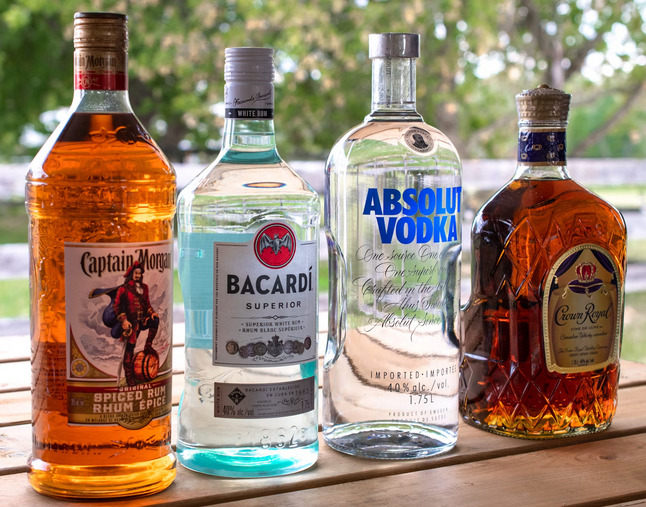
Vodka’s charm lies in its diverse ingredient base. Unlike many spirits that rely on a single source, vodka can be crafted from grains, potatoes, fruits, and sugarcane. This flexibility allows for a wide range of flavours and textures. Each base ingredient brings its character to the final product. For example, wheat-based vodkas often deliver a smooth finish with a subtle sweetness. Meanwhile, potato vodkas tend to be creamier and more decadent.
The choice of ingredients doesn’t just affect taste; it also influences mouthfeel and aroma. Craft distillers play around with various combinations to create unique expressions that cater to different palates. This adaptability strengthens vodka’s position as a go-to cocktail mixer while standing alone as a premium spirit when enjoyed neat or chilled. With such versatility at its core, vodka continues to captivate enthusiasts worldwide.
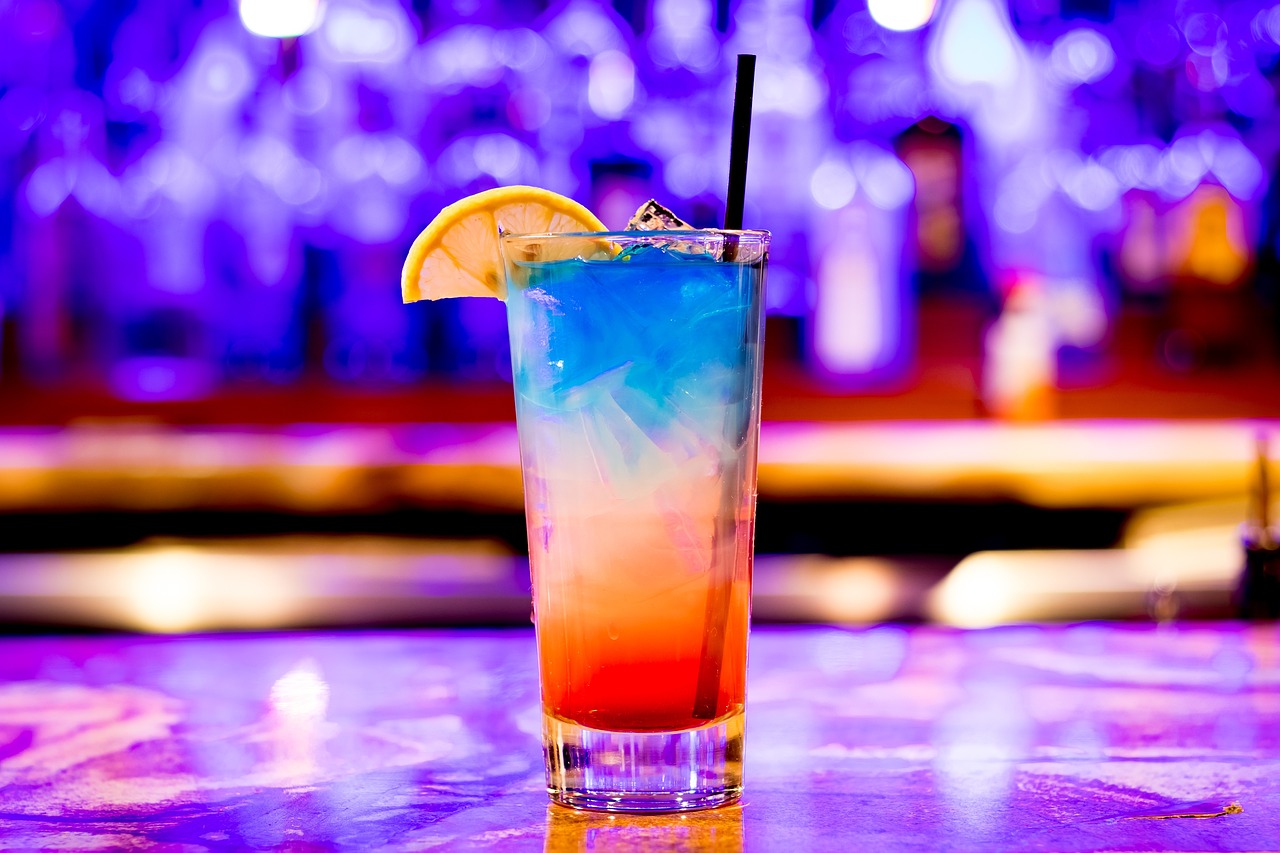
 The production process is relatively simple: grains or potatoes are mashed and heated in hot water, which releases starch that is then converted to sugars. The sugary liquid is fermented, usually with yeast, for several days until it forms alcohol. Finally, the mixture is filtered and distilled multiple times to create a clear spirit. The filtering process can vary depending on the brand of vodka you are using – some are distilled three times, while others may go through as many as twenty.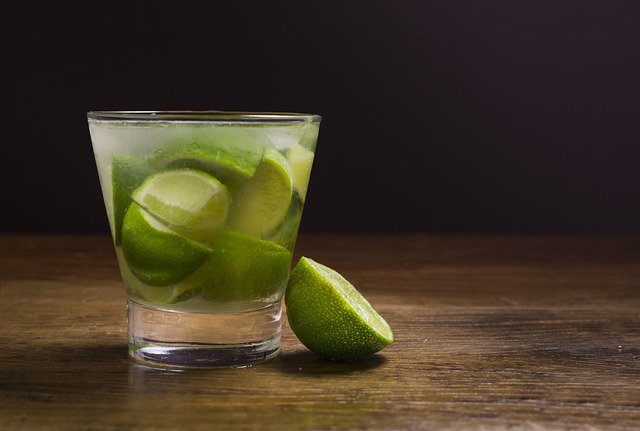
 Vodka is a versatile and flavorful beverage that has been enjoyed for centuries. Whether you’re looking for something to kick off the night with friends or just want to relax after a long day, there’s sure to be a vodka that fits your taste buds and needs. So don’t hesitate. Unlock the secrets of vodka today.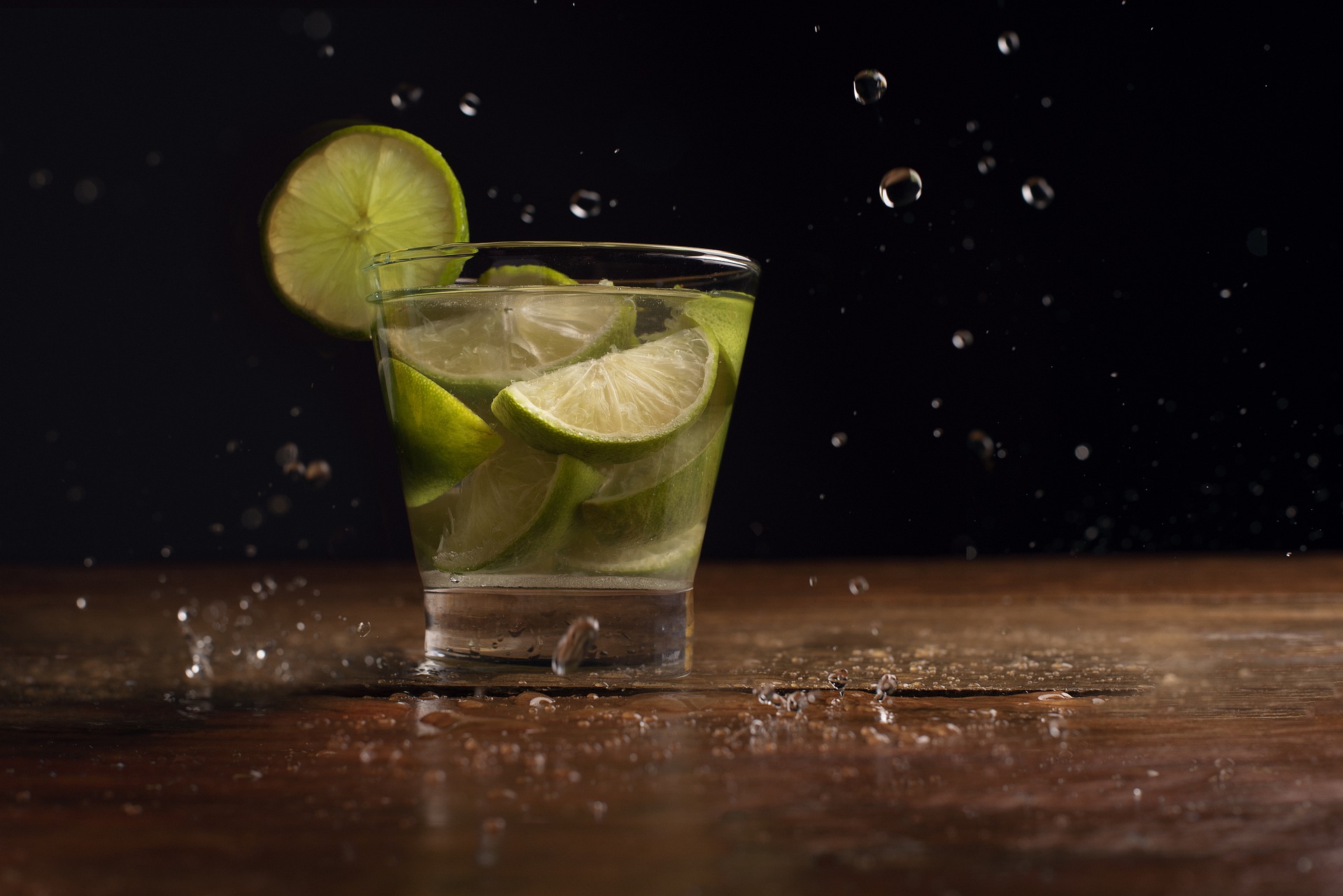
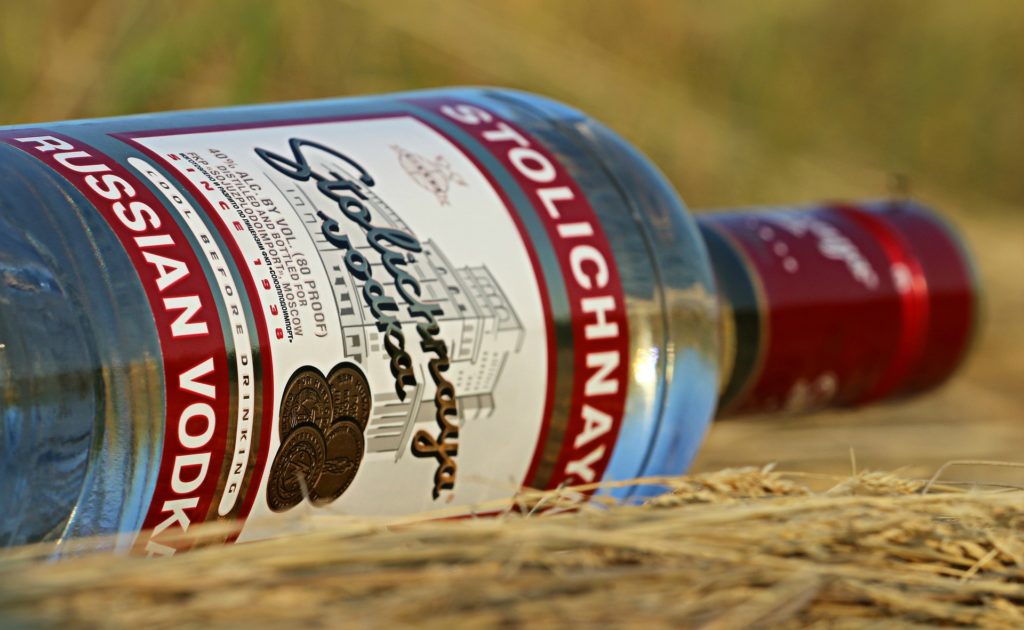
 Not only Vodka can make our skin clean and tight. Many people also use Vodka as an excellent cleaner for many things. Aside from that, we also use Vodka for removing stains on many surfaces like porcelain and granite. Vodka is also great for wiping off the dust on our TV sets or computer screens because it has mild alcohol that does not damage them at all. Who would have thought that Vodka could help us get rid of many bacteria and dirt from many material surfaces?