
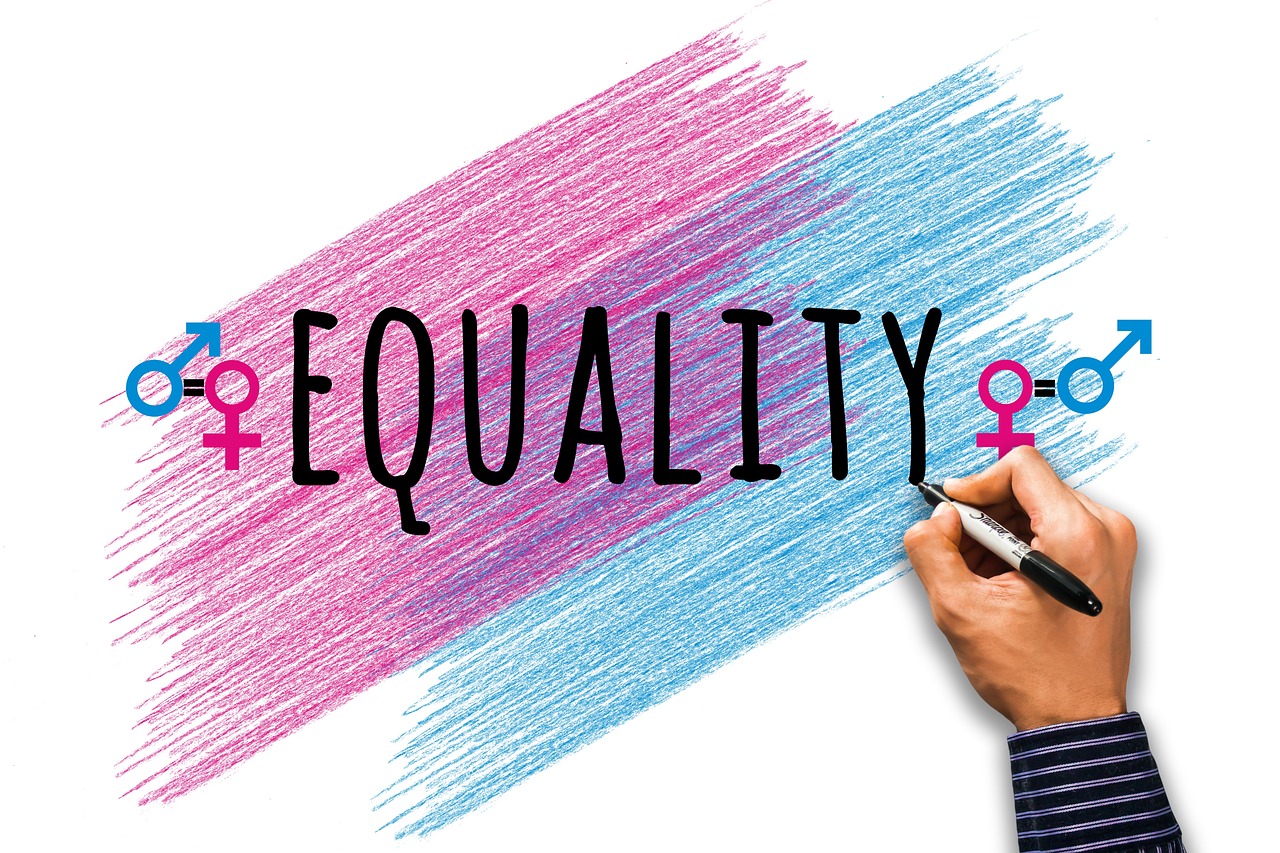
Gender equality is not just a buzzword; it’s an essential goal for any progressive society. As we move forward, it becomes increasingly clear that effective policies can make all the difference in bridging the gender gap. Whether it’s about paychecks or parental responsibilities, creating a level playing field benefits everyone. When organizations implement thoughtful practices, they empower individuals and foster inclusivity. Kenya Latest news has been highlighting gender equality in today’s world. Let’s explore some key policies that can drive meaningful change and pave the way toward true equality in every aspect of life.
Equal Pay Legislation
 Equal pay legislation stands at the forefront of gender equality efforts. It directly addresses the persistent wage gap that affects women and marginalized genders across industries. When laws mandate equal pay for equal work, they challenge outdated norms and practices. This legal framework provides a clear message: compensation should reflect skill, experience, and contribution—not gender.
Employers are encouraged to conduct regular pay audits to ensure compliance with these laws. Transparent salary ranges can help dismantle barriers that keep wages unevenly distributed. Moreover, awareness campaigns surrounding this legislation educate employees about their rights.
Parental Leave Policies
Parental leave policies play a crucial role in promoting gender equality. They allow both parents to take time off work after the arrival of a child, supporting shared responsibilities at home. When these policies are inclusive, they challenge traditional norms. Fathers taking extended leave can reshape perceptions about caregiving roles. This not only benefits families but also fosters a more supportive workplace culture. Flexibility is key. Policies that offer various options—like part-time or remote work—help employees balance their professional and personal lives effectively.
Flexible Work Arrangements
Flexible work arrangements are a game changer for promoting gender equality. They allow employees to tailor their work schedules around personal commitments, such as childcare or eldercare responsibilities. This adaptability can significantly reduce stress and increase productivity. Remote work options have also gained traction in recent years. Many companies now offer telecommuting opportunities, enabling individuals to balance their professional and personal lives seamlessly. Implementing flexible hours can lead to better job satisfaction among all employees, particularly women who often juggle multiple roles at home and in the workplace.
Anti-Discrimination Laws
Anti-discrimination laws serve as a crucial framework for promoting gender equality in the workplace. These laws protect individuals from unfair treatment based on their gender, ensuring everyone has equal opportunities. When enforced effectively, they create a culture of respect and inclusivity. Employees feel safe to voice concerns without fear of retaliation. This openness fosters innovation and collaboration among diverse teams. Moreover, anti-discrimination laws encourage organizations to implement training programs that educate staff about unconscious biases. Such initiatives help cultivate an environment where merit prevails over stereotypes.
Gender Quotas in Leadership
 Gender quotas in leadership are designed to ensure that women occupy a significant portion of decision-making roles. These policies aim to break the glass ceiling and create more inclusive environments. Research shows diverse leadership teams outperform their less diverse counterparts. When women lead, they bring different perspectives, fostering innovation and empathy within organizations.
Implementing gender quotas can be controversial. Critics argue it may undermine meritocracy, suggesting appointments should solely depend on qualifications. However, advocates believe these measures level the playing field where systemic biases persist. Advancing gender equality requires commitment and action from all sectors of society. Effective policies are essential in creating an environment where everyone has the opportunity to thrive, regardless of their gender. Implementing these effective policies is not just about compliance; it’s about cultivating an equitable society where everyone can contribute fully without limitations imposed by outdated norms or biases. We hope that you have found this blog post helpful.